


 A.U.
A.U. B.R.
B.R. C.A.
C.A. E.S.
E.S. H.K.
H.K. M.X.
M.X. N.L.
N.L. P.R.
P.R. S.G.
S.G. T.W.
T.W. U.K.
U.K. S.A.
S.A.
Everything You Need to Know About Skin Microbiome Diversity

While you might consider yourself a singular, independent human being, your skin would beg to differ; it’s actually a highly populated, microscopic sovereign state. Right now, as you read this, trillions of microscopic residents are commuting across your forehead, throwing dinner parties on your chin, and maintaining the peace in the crevices of your elbows. This complex community is known as the skin microbiome, and the secret to its success lies in one specific metric: skin microbiome diversity.
In the world of skincare, we often focus on what we can see, such as fine lines, dark spots, or a sudden lack of luster. However, the most sophisticated skincare enthusiasts are looking deeper. They are looking at the microbial level. Understanding skin microbiome diversity is the next frontier of beauty, moving away from the scorched-earth approach of harsh cleansers and toward a philosophy of cultivation and coexistence. It’s time to stop treating your face like a kitchen counter that needs disinfecting and start treating it like the high-end real estate it actually is. Keep reading as OROGOLD guides you through everything you need to know about your skin microbiome.
What is the Skin Microbiome?
Before we can appreciate the importance of variety, we must understand the residents themselves. The skin microbiome is the entire collection of microorganisms living on the surface of your skin. This includes a vast array of bacteria, fungi, and viruses that have evolved alongside humans for millennia.
These microbes are not just hitchhikers. They are active participants in your skin health. They live in different ecological niches, such as the oily regions of the T-zone or the dry plains of the forearms.
A healthy microbiome is like a well-managed garden where every species has a role to play. Some microbes help break down skin oils, while others produce substances that inhibit the growth of less friendly visitors. When the microbiome is in its natural state, it works in harmony with your own cells to maintain a stable and resilient surface. Think of them as your personal, microscopic security detail, working for the low, low price of a little sebum and some dead skin cells.
Why Does Skin Microbiome Diversity Matter?
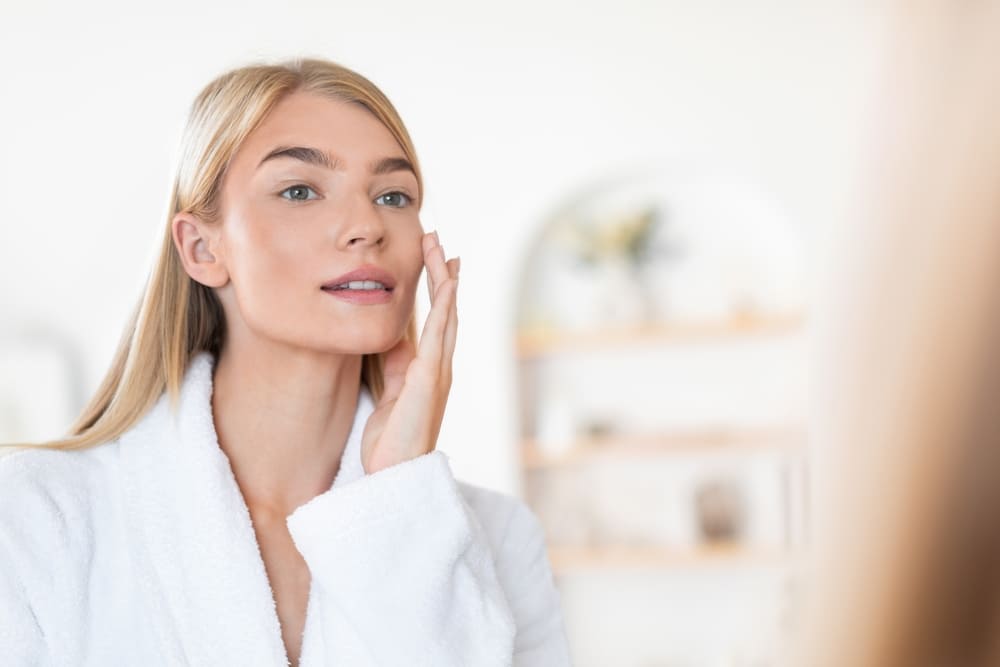
If the microbiome is the garden, then diversity is the measure of how many different types of plants are growing in it. To understand why skin microbiome diversity matters, imagine a rainforest. A healthy rainforest is packed with thousands of different species. If one species gets a bit too ambitious, the others are there to keep it in check. This balance makes the ecosystem resilient. Now, imagine a lawn that only grows one type of grass. It might look uniform for a while, but if a single disease hits that specific grass, the entire lawn dies.
Your skin works the same way. When your skin hosts a wide array of different microbes, it’s better equipped to handle environmental stressors. A diverse microbiome acts as an invisible shield. These microbes produce antimicrobial peptides that discourage opportunistic species from moving in. They also communicate with your skin cells to help manage skin barrier function.
When diversity drops, the skin often enters a state of dysbiosis. This is essentially a microbial civil war where a few species take over, often leading to visible discomfort, dryness, or a dull appearance. In short, a crowded party on your face is actually much better than a private event for one. You want a bustling city, not a ghost town run by a single gang of bacteria.
The Modern War on Microbes
For decades, the beauty industry told us that bacteria were the enemy. We were encouraged to scrub and sanitize until our skin was squeaky clean. Unfortunately, squeaky is not a texture you want for your skin. That sound is actually the cry of a compromised barrier and a decimated microbiome. It’s the sound of your skin being stripped of its natural defenses.
Modern life is unintentionally designed to lower skin microbiome diversity. Harsh surfactants in soaps can strip away the beneficial lipids that feed our good bacteria. Overuse of certain preservatives can act like a broad-spectrum antibiotic for the face, killing the good with the bad. Even environmental factors like pollution and chlorinated water play a role in thinning out the microbial herd.
The shift toward supporting skin microbiome diversity represents a truce. We are finally acknowledging that we cannot sanitize our way to a glow. Instead, we must learn to be better landlords to our microscopic tenants.
How to Tell if Your Skin Microbiome is Lacking Diversity
Before you can fix an ecosystem, you have to recognize when it is failing. Because the microbiome is invisible, you have to look for the behavioral cues of your skin. A lack of diversity usually manifests as a loss of biological intelligence – your skin simply forgets how to protect itself.
-
Heightened Reactivity: If products that used to work suddenly cause redness or your skin reacts to minor temperature changes, your microbial shield is likely thinning. A diverse microbiome acts as a buffer; without it, every external stimulus hits your cells directly.
-
The Desert Texture: This is a specific type of dryness that feels tight but looks oily. It happens when the beneficial bacteria that help produce natural moisturizing factors are missing, forcing the skin to overproduce sebum to compensate for the lack of real hydration.
-
Persistent Dullness: Diversity is linked to efficient cell turnover. When the ecosystem is stagnant, dead skin cells linger longer on the surface, creating a flat, graying appearance that light cannot penetrate.
-
Slow Recovery: If a blemish or a small scratch takes weeks rather than days to disappear, your microbiome’s restorative signals are likely weak. A thriving flora speeds up the skin’s natural communication lines.
How to Boost Skin Microbiome Diversity
Boosting the diversity of your skin flora is less about adding new things and more about creating an environment where a variety of species can thrive. It’s about being a gardener rather than a janitor. Here are the most effective ways to encourage a flourishing microbial landscape on your skin:
Opt for Gentle Cleansing
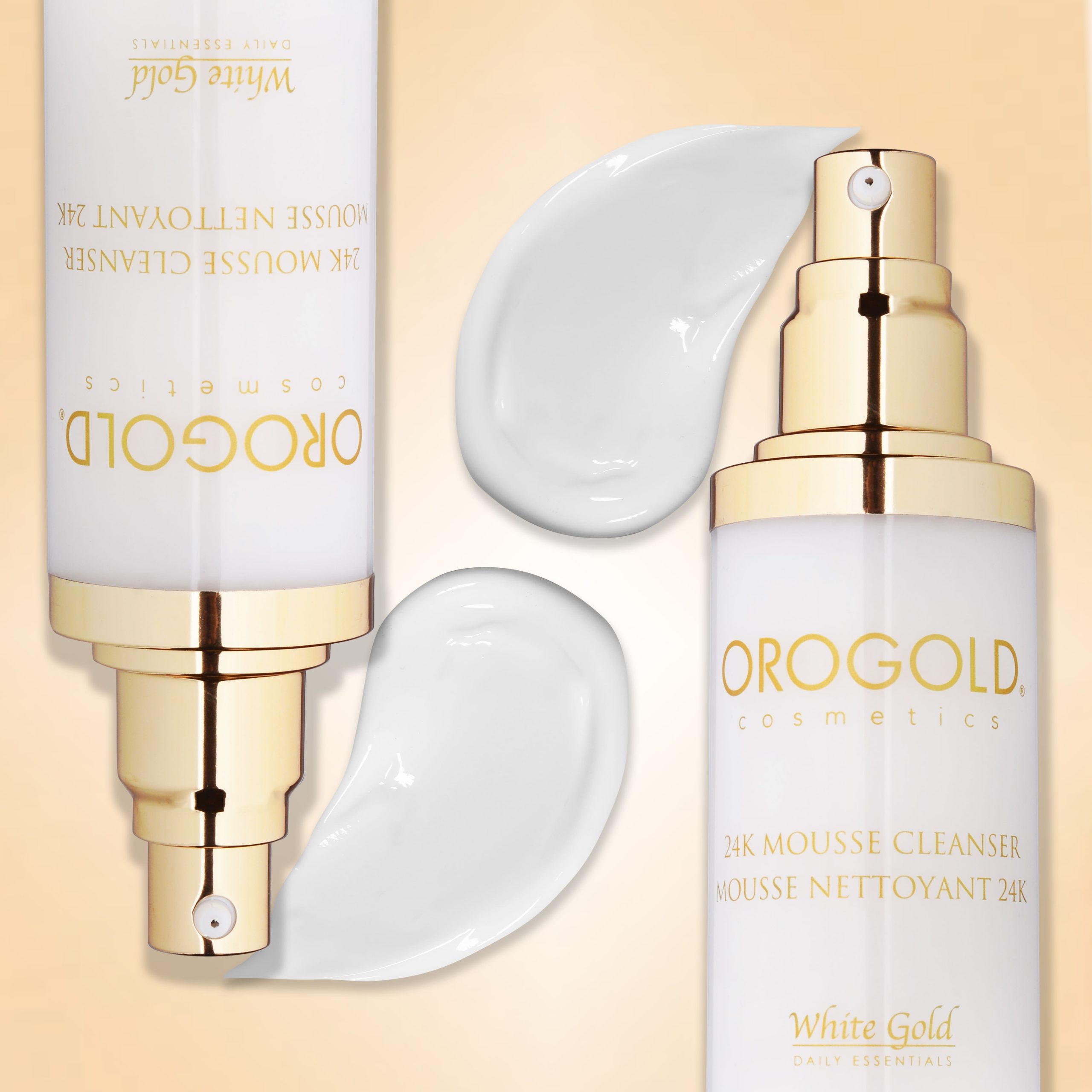
The most common way people destroy their skin microbiome diversity is by over-cleansing. If your skin feels tight or looks shiny but is actually dry after washing, you have likely stripped away your microbial allies. You want a cleanser that removes dirt and excess oil without behaving like a chemical power-washer.
To support this balance, consider the OROGOLD 24K Mousse Cleanser. This formula is designed to lift away impurities while respecting the delicate nature of the skin surface. By using a gentle touch, you leave the foundation of your microbiome feeling intact, allowing your natural flora to recover quickly after every wash.
Prioritize Targeted Hydration
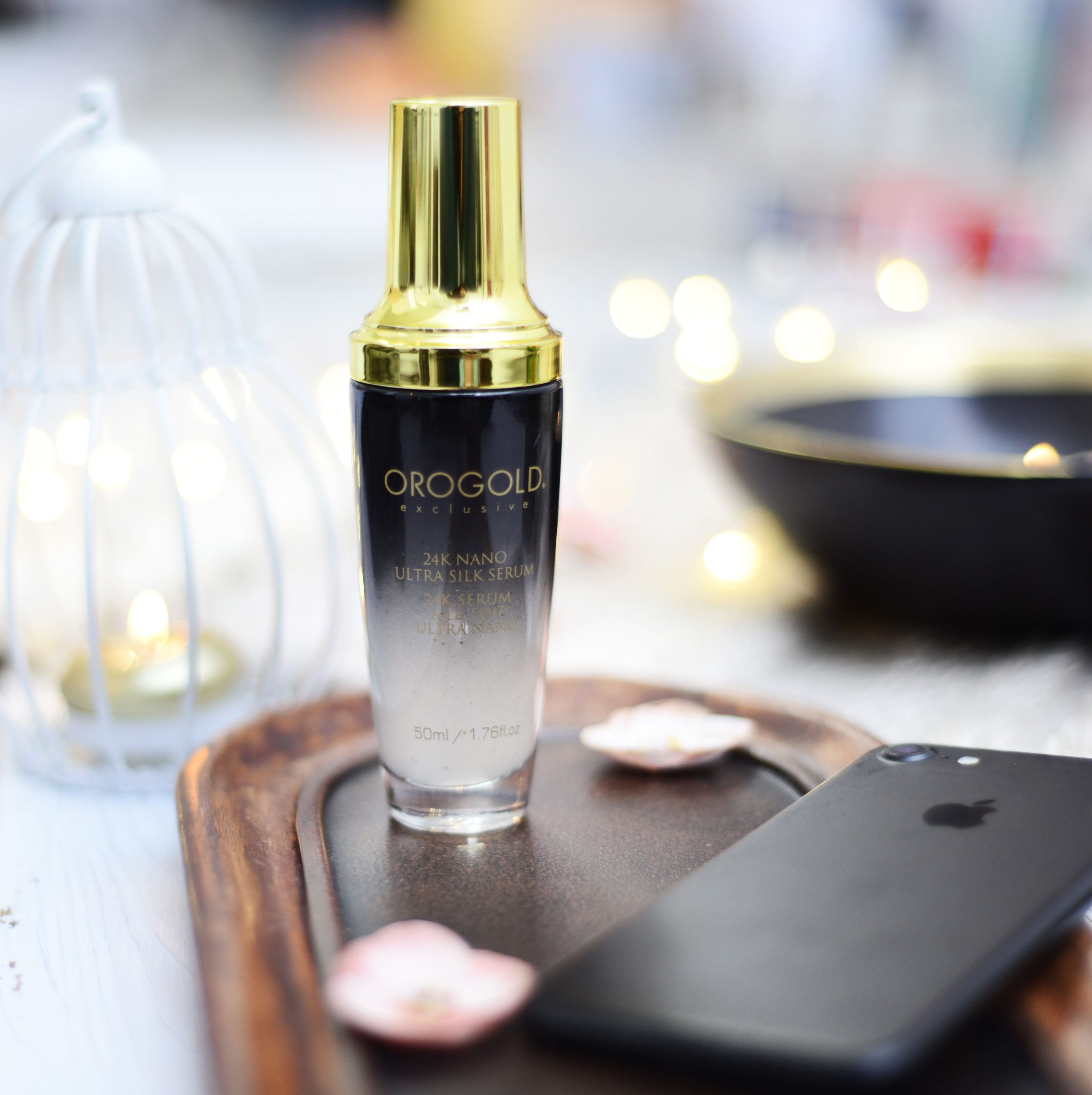
Microbes, like all living things, need a stable environment. A dehydrated skin surface is a hostile environment for many beneficial bacteria. When your skin is well-hydrated, the intercellular matrix feels plump and healthy, providing a stable terrain for a diverse range of microorganisms.
The OROGOLD 24K Nano Ultra Silk Serum is an excellent choice for this. This feather-light solution is designed to give the skin a plump and moisturized feel. By providing a hydration boost through bioactive ingredients like seaweed extract, you create a hospitable environment where a variety of microbial species can settle in and stay a while.
Use Prebiotic-Rich Ingredients
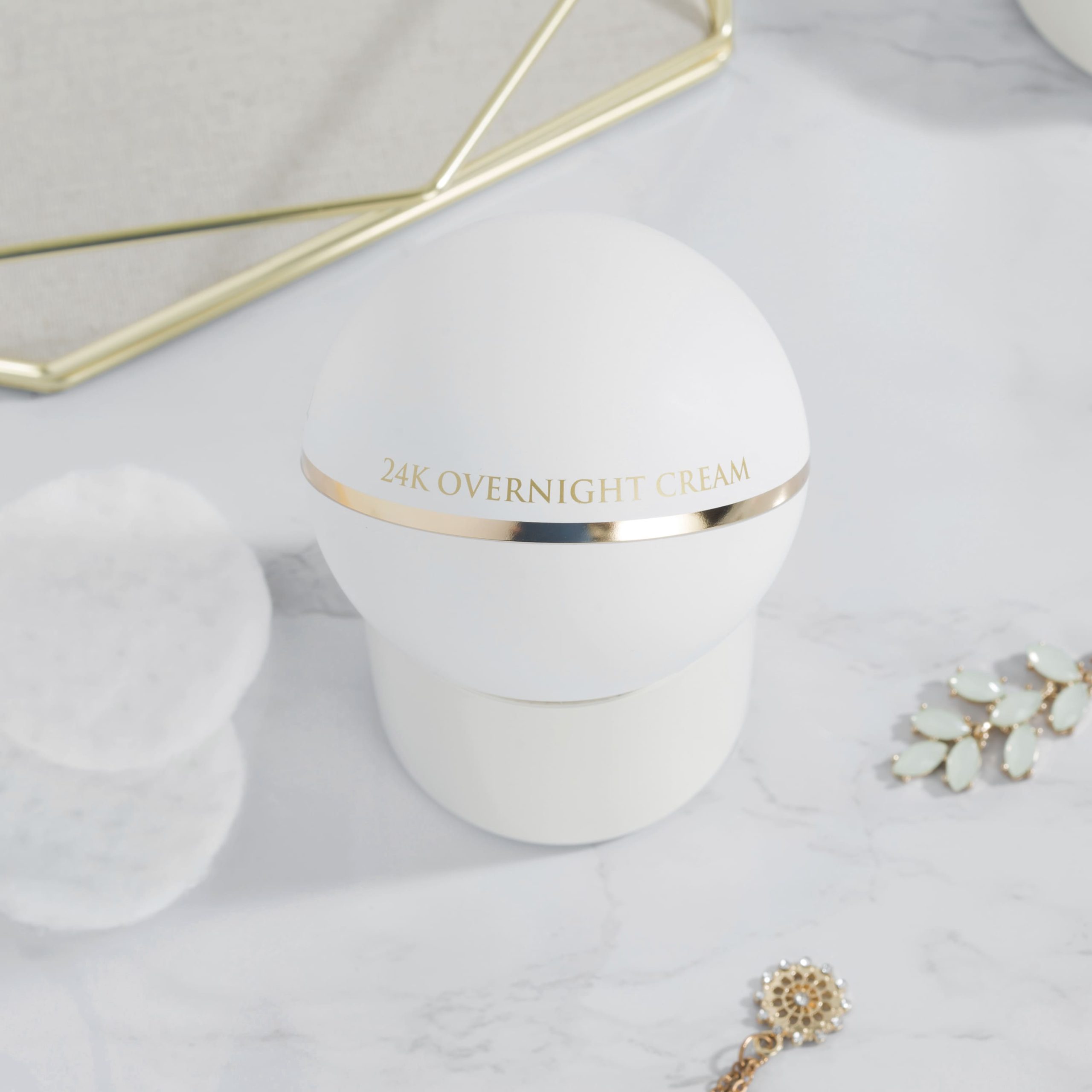
One of the most direct ways to support skin microbiome diversity is to feed the beneficial bacteria you already have. Prebiotics are essentially food for your good microbes. Certain ingredients, such as oats, have been found to act as prebiotics, helping beneficial populations flourish and keeping the skin barrier feeling supported.
The OROGOLD 24K Overnight Cream features oat as a key ingredient. By applying this decadent moisturizer before sleep, you’re essentially laying out a buffet for your skin’s residents. As these beneficial bacteria thrive on the prebiotic properties of the oat, they help to strengthen the feel of your skin barrier, leading to a more resilient and balanced complexion by morning.
Balance the pH
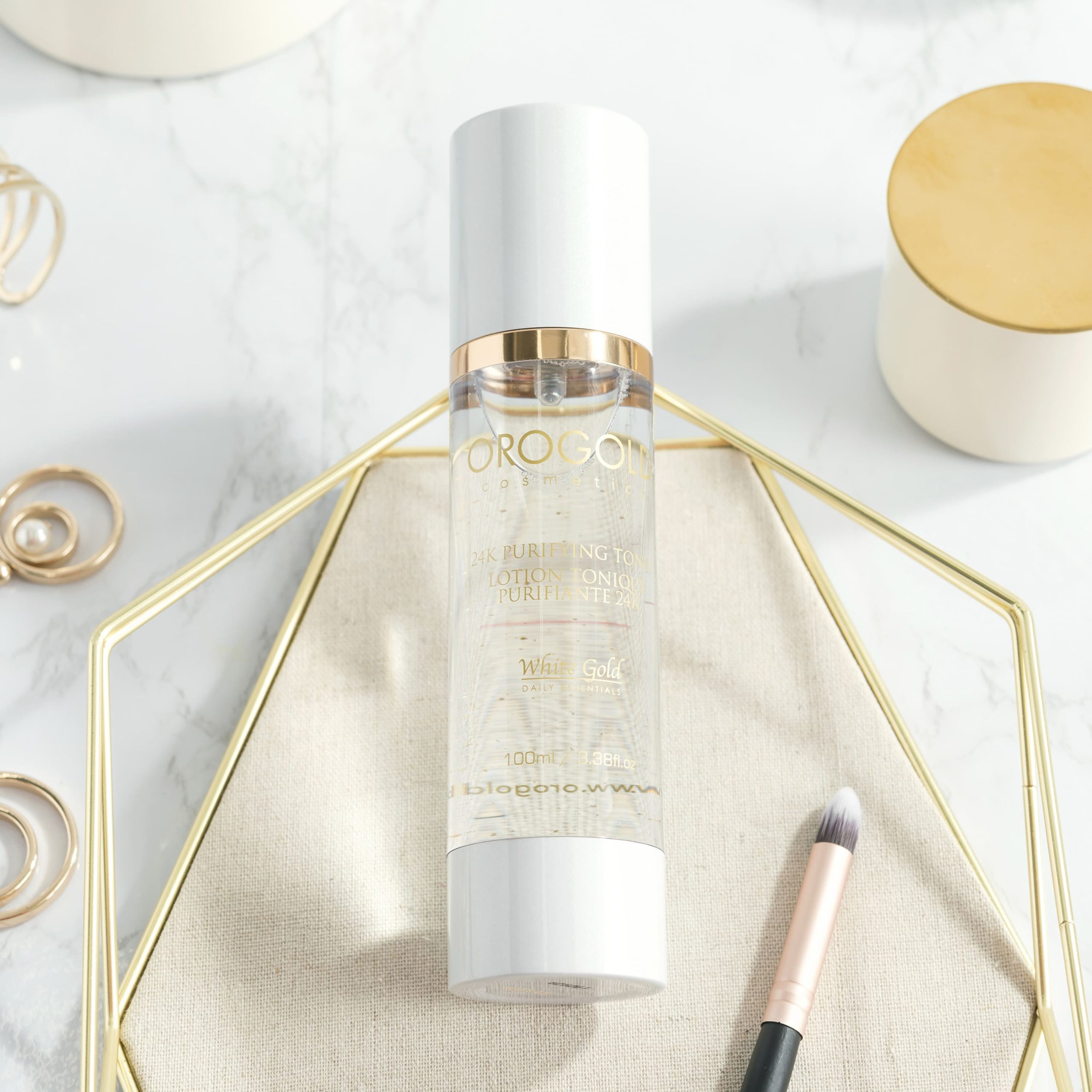
The skin is naturally slightly acidic, usually hovering around a pH of five. This acidity is often called the acid mantle, and it’s a key factor in maintaining skin microbiome diversity. Many of the most beneficial bacteria thrive in this acidic environment, while many harmful ones prefer a more alkaline setting.
Using products that respect or help maintain this acidic baseline is crucial. The OROGOLD 24K Purifying Toner is formulated to rebalance the pH of the skin’s surface after cleansing. By bringing the skin back to its happy place, you ensure that the beneficial microbes feel right at home while the troublemakers find it much harder to settle down.
Fortify the Barrier with the Right Ingredients
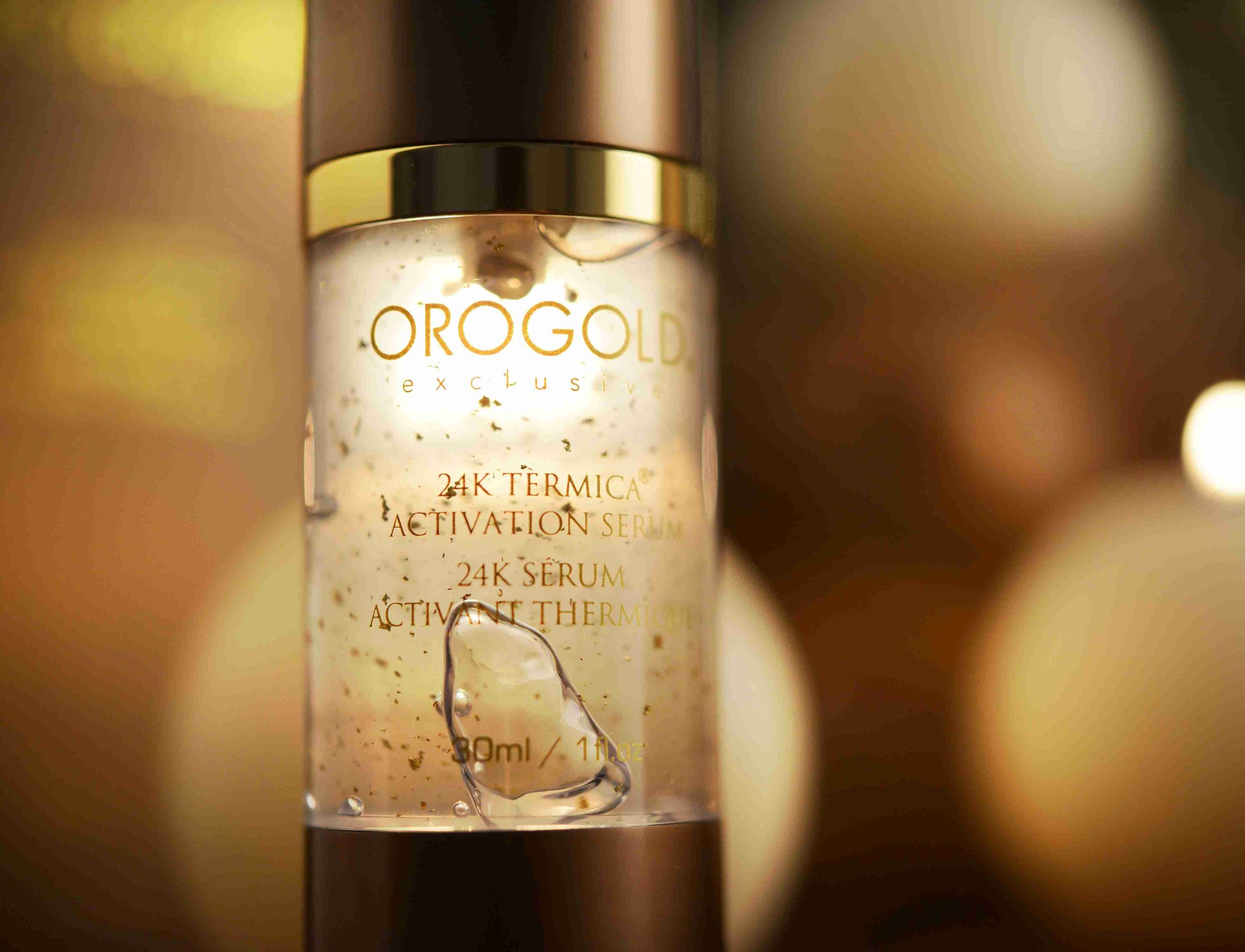
A broken barrier is like a city with no walls. Everything can get in, and the internal systems are constantly under stress. When the skin barrier is compromised, moisture escapes and irritants enter, leading to an environment where only the most aggressive and least helpful microbes can survive.
To keep your barrier feeling robust and your microbiome diverse, look toward the 24K Termica Activation Serum. This formula contains several ingredients that help keep the skin barrier feeling fortified. By replenishing essential lipids, you reinforce the physical environment that your microbiome depends on for protection and stability.
Be Mindful of Environmental Stress
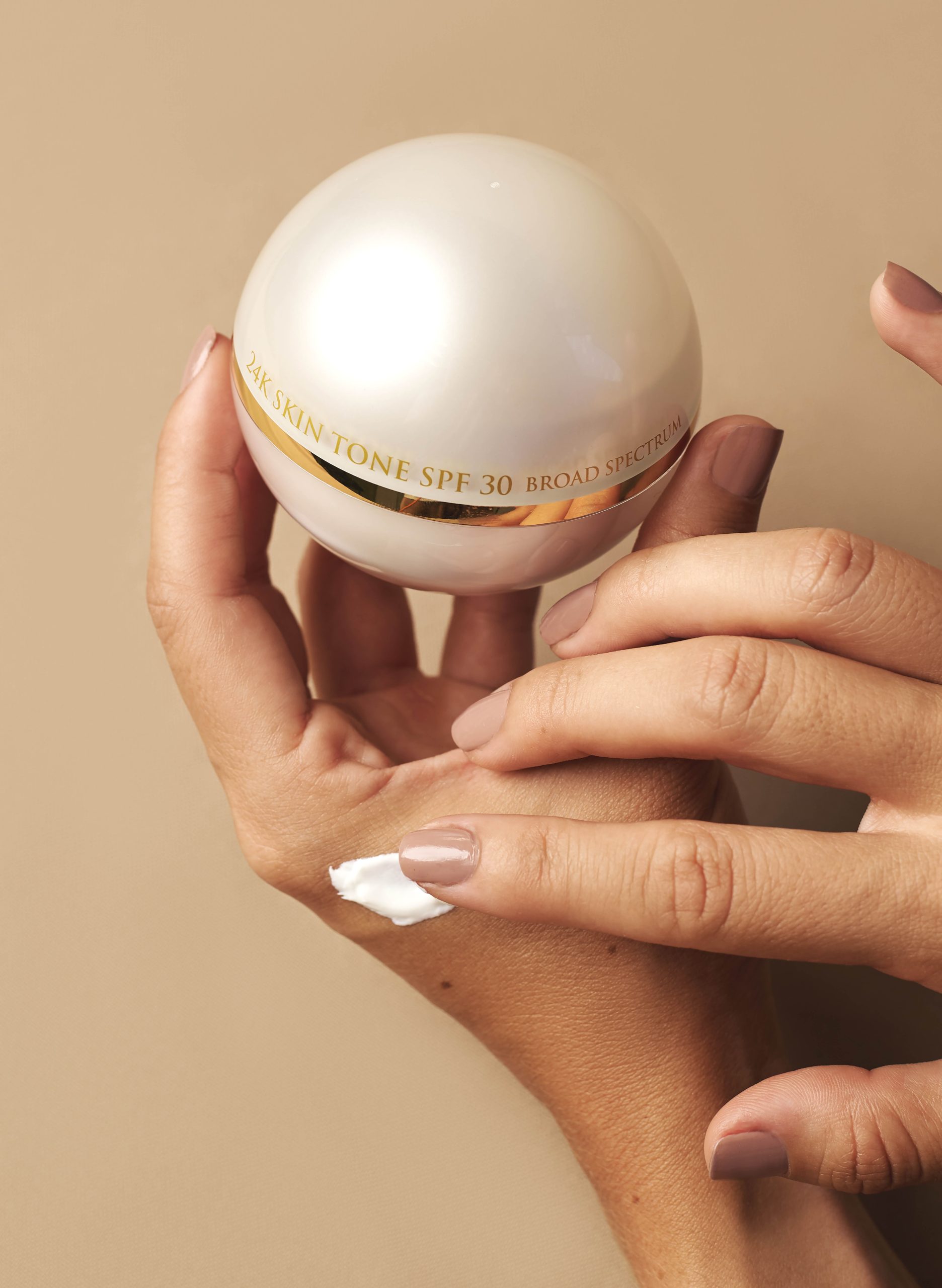
While we often focus on products, environmental factors like pollution and UV radiation can also impact skin microbiome diversity. These stressors cause oxidative damage that specifically targets certain populations of bacteria.
Using a daily SPF moisturizer, like the OROGOLD 24K Skin Tone SPF 30, can help maintain the appearance of an even skin tone and keep the skin feeling shielded. By reducing the external stress on the skin’s surface, you give your microbiome the peace and quiet it needs to feel varied and healthy.
Signs of a Healthy Skin Microbiome
How do you know if your efforts to increase skin microbiome diversity are working? You won’t see the microbes without a very expensive microscope, but you will see their handiwork.
-
Resilience: A healthy, diverse microbiome usually manifests as skin that is less reactive. If you find that your skin no longer feels uncomfortable at every change in weather, your microbes are likely doing their job of buffering against stress.
-
Natural Radiance: This is not the oily shine of overactive glands, but a soft glow that comes from a perfectly balanced barrier.
-
Consistent Moisture: When your microbiome is diverse, your skin is better at holding onto its own hydration. You might find you need fewer heavy products to achieve the same level of comfort because your natural systems are functioning at their peak.
FAQ: Skin Microbiome Diversity 101
Can I use too many products and hurt my microbiome?
Absolutely. In fact, over-complicating your routine is the fastest way to annoy your microbial tenants. Every product you apply changes the local environment. If you are constantly layering different actives and acids, you are making it very difficult for a stable community to form. Keep it simple, keep it high-quality, and let your skin do the rest.
Does diet affect skin microbiome diversity?
The gut-skin axis is very real. What you eat provides the building blocks for the oils and nutrients your skin secretes, which in turn feed your microbiome. A diet rich in diverse fibers and fermented foods supports a healthy gut, which often translates to a more balanced and diverse microbial population on your skin. You are what you eat, and your bacteria eat what you are.
How do you reset your skin microbiome?
Think of a microbiome reset as a digital detox for your face. To reset, you essentially need to stop the interference. This involves stripping your routine back to the absolute basics for a few weeks: a gentle, non-foaming cleanser, a simple moisturizer, and sun protection. Avoid exfoliants, perfumes, and heavy actives during this time. This allows your skin’s pH to stabilize and gives the natural flora a chance to recolonize without being constantly bombarded by new chemistry.
The Future of Skincare is Living
In a world full of quick fixes, skin microbiome diversity is the ultimate long game. It’s skin insurance for the modern era. Investing in your microbiome is not just about the surface level – it’s about fostering a resilient, self-sustaining beauty. By allowing your skin flora to thrive, you are embracing the most advanced technology ever created: your own biology.
Click here to explore more bestselling skincare products from OROGOLD.